
 135-6073-0094
PRODUCT CENTER
Locking Products
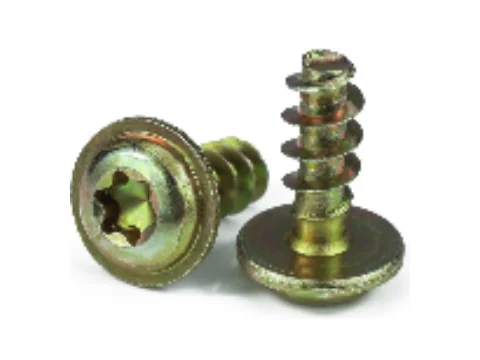
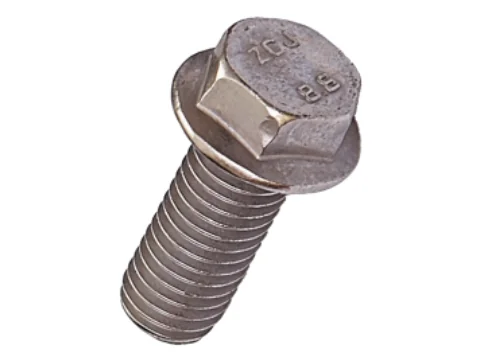
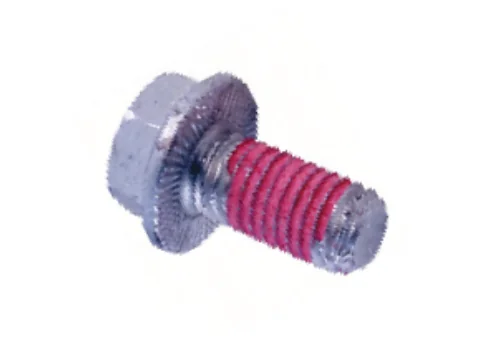
Flange bolt with pre-applied adhesive on the flange face: th
Integrated Flange Bolt with Pre-applied Adhesive
- Installationtorque wrench with teeth facing the clamped part
- StandardGB/T 3098.1, ISO 16130 (transverse vibration)
- Typical substratechassis, structures, construction machinery
- Key inspectionstooth form, locking performance, hardness
- Head TypeFlange
- Head styleflanged
Product overviewOverview
A serrated flange locks by engagement rather than by friction. A flange increases the bearing area, which lowers the surface pressure for the same preload and reduces the chance of denting a thin or painted panel. The adhesive sits between flange and panel, so it seals across the full flange width rather than only at the thread.
installed by torque wrench with teeth facing the clamped part.
Key featuresFeatures
- Flange bearing area lowers surface pressure on thin panels.
- Serrated flange presses into the clamped part for mechanical locking.
- Unidirectional and bidirectional tooth patterns for different load directions.
- Large flange area lowers bearing stress on thin panels.
Typical applicationsApplications
- Automotive chassis and suspension
- Construction machinery structures
- Rail equipment brackets
Selection notesSelection
Keep the flange clear of nearby ribs and radii; a flange that bridges a radius applies load on an edge and the adhesive seal is lost at that edge.
Frequently asked questionsFAQ
Why use a flange bolt rather than a washer?
What matters during installation of the Integrated Flange Bolt with Pre-applied Adhesive?
| Head Type | Flange |
|---|---|
| Standard | GB/T 3098.1, ISO 16130 (transverse vibration) |
| Head style | flanged |
| Installation | torque wrench with teeth facing the clamped part |
| Typical substrate | chassis, structures, construction machinery |
| Key inspections | tooth form, locking performance, hardness |
Tooth angle, height and distribution are checked optically.We recommend a pilot assembly at the actual torque and mating part before locking the process parameters for volume.