
 135-6073-0094
PRODUCT CENTER
Locking Products
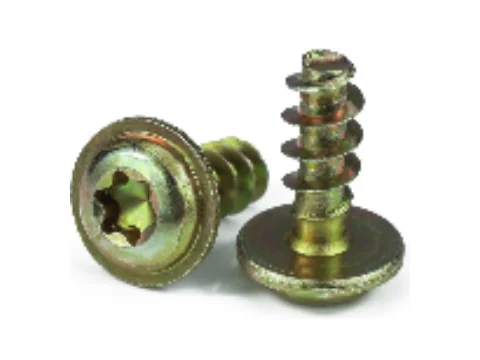
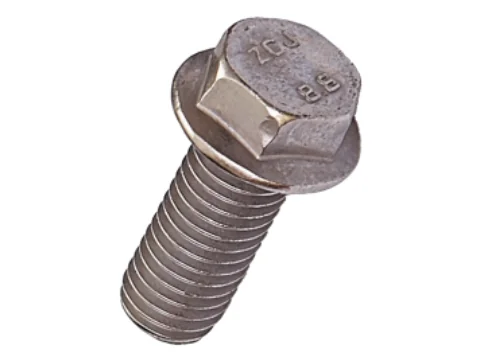
Hex flange screw with serrated flange and pre-applied adhesi
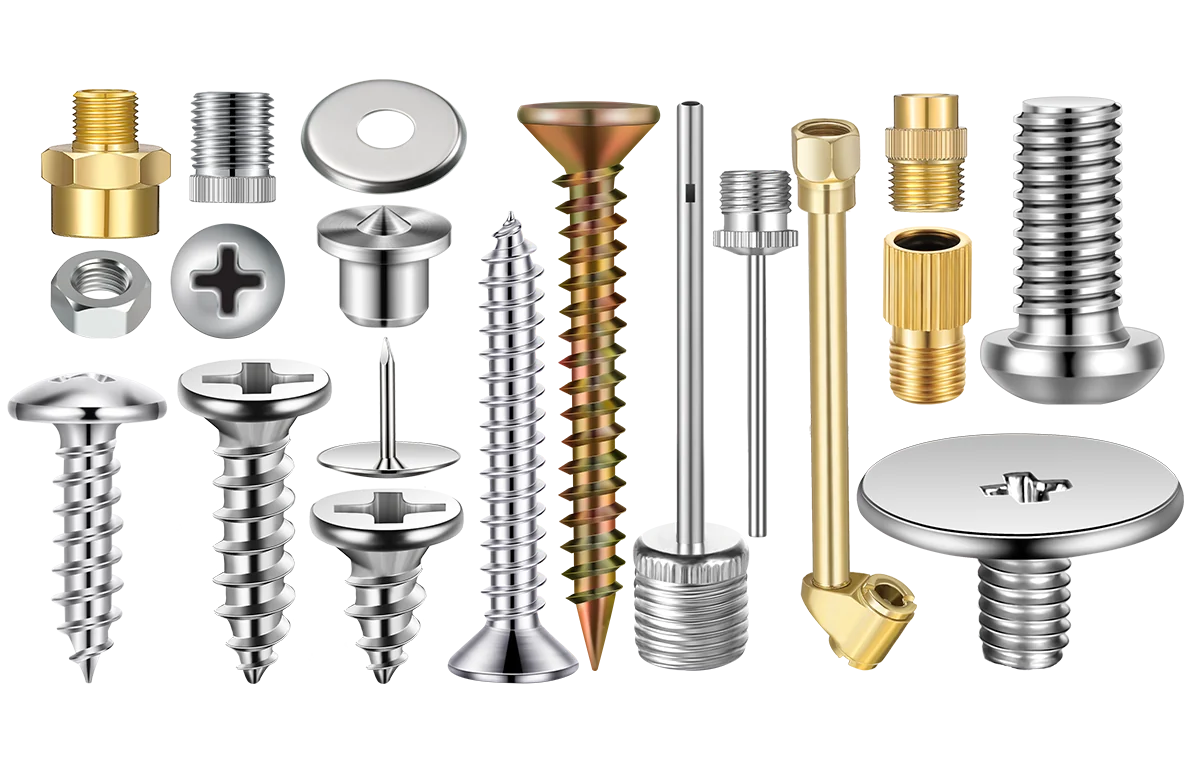
Hex Flange Serration Screw Combining Serrated Locking and Adhesive Sealing
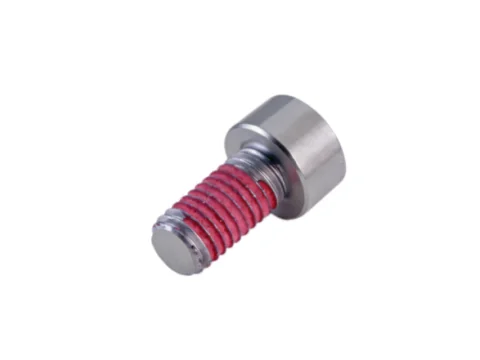
- Installationtorque wrench with teeth facing the clamped part
- StandardGB/T 3098.1, ISO 16130 (transverse vibration)
- Typical substratechassis, structures, construction machinery
- Key inspectionstooth form, locking performance, hardness
- Head TypeFlange
- Head styleflanged
Product overviewOverview
Tooth direction matters. The serrations provide mechanical resistance to rotation and the adhesive provides sealing; the two work on the same face but for different failure modes. Serrations alone do not seal, because the tooth pattern leaves channels, and adhesive alone does not resist vibration once cured.
installed by torque wrench with teeth facing the clamped part.
Key featuresFeatures
- Teeth lock, adhesive seals: neither replaces the other.
- Large flange area lowers bearing stress on thin panels.
- Can be combined with a thread patch for locking at both the thread and the bearing face.
- Quenched and tempered steel or stainless, with zinc-nickel or black oxide finishes.
Typical applicationsApplications
- Construction machinery structures
- Rail equipment brackets
- Wind turbine and tower fittings
Selection notesSelection
Unidirectional teeth must face the load direction; reversing them cancels most of the locking effect.
Frequently asked questionsFAQ
Do the serrations break the adhesive seal?
What matters during installation of the Hex Flange Serration Screw with Dual-Lock Vibration Proofing?
| Head Type | Flange |
|---|---|
| Standard | GB/T 3098.1, ISO 16130 (transverse vibration) |
| Head style | flanged |
| Installation | torque wrench with teeth facing the clamped part |
| Typical substrate | chassis, structures, construction machinery |
| Key inspections | tooth form, locking performance, hardness |
Locking performance is verified by transverse vibration testing to ISO 16130 or the customer specification.Alternative materials and finishes can be quoted side by side during sampling, so cost and corrosion resistance can be traded off explicitly.