
 135-6073-0094
PRODUCT CENTER
Thread Inserts
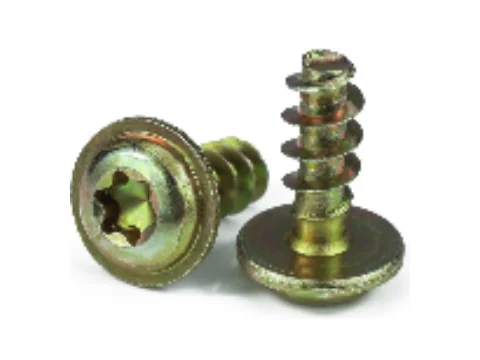
Self-tapping threaded insert: it cuts its own thread in the
High-Precision Threaded Insert
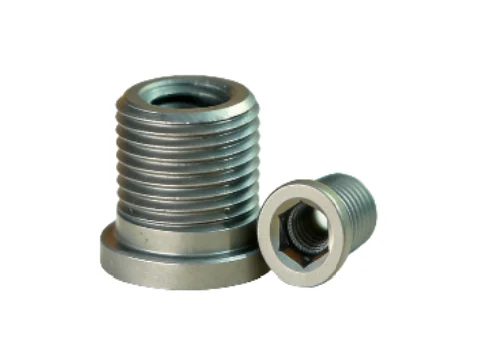
- MaterialStainless Steel / Carbon Steel
- Installationinstalled with a dedicated insert tap and driving tool
- StandardGB/T 24425.1 (free-running wire thread insert)
- Typical substratealuminium, magnesium, cast iron, engineering plastics
- Key inspectionsfree diameter, post-install gauging, pull-out
Product overviewOverview
The principle is compliance for strength: radial springiness absorbs the pitch interference of tightening and reduces galling, while wear moves to a replaceable insert so the base thread survives repeated assembly. Cutting its own thread removes one process step and one tool, but it also means the base material has to be ductile enough to be cut cleanly and strong enough to hold the formed thread. In brittle or very soft material the thread tears instead of forming, and pull-out falls sharply.
Material: Stainless Steel / Carbon Steel. It is installed with the dedicated insert tap and its setting tool.
Key featuresFeatures
- Saves the tapping step, but needs a ductile base material.
- Diamond-section stainless wire, with hardness and tensile strength verified to the GB/T 24425 series.
- Radial spring anchors the insert without adhesive; service range depends on material, commonly −50 °C to +300 °C.
- The load spreads along the coils rather than sitting on the first thread, which is why the base material survives higher bolt loads.
Typical applicationsApplications
- Automotive engine and gearbox castings
- Medical and instrument lightweight frames
- Aluminium die-cast housings
Selection notesSelection
Check base material ductility and pilot hole size before committing; the pilot diameter is specific to the insert and is not the same as a tapping drill for the finished thread.
Frequently asked questionsFAQ
Can a self-tapping insert be used in hard aluminium?
What matters during installation of the High-Precision Threaded Insert?
| Material | Stainless Steel / Carbon Steel |
|---|---|
| Type | Self-tapping threaded insert |
| Standard | GB/T 24425.1 (free-running wire thread insert) |
| Installation | installed with a dedicated insert tap and driving tool |
| Typical substrate | aluminium, magnesium, cast iron, engineering plastics |
| Key inspections | free diameter, post-install gauging, pull-out |
Free diameter, coil count and free length are sampled to GB/T 24425, with material verified by spectrometry.We recommend a pilot assembly at the actual torque and mating part before locking the process parameters for volume.