
 135-6073-0094
Precision Micro Screws
Precision Micro Screws
M2–M3 screws for humanoid and collaborative robot joints, bu
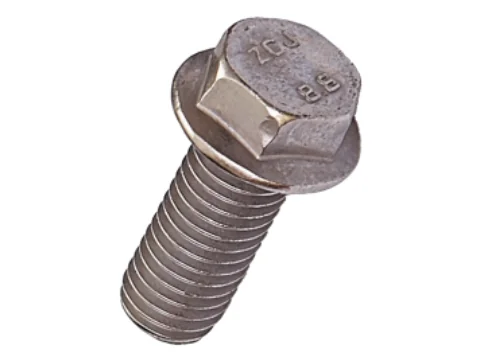
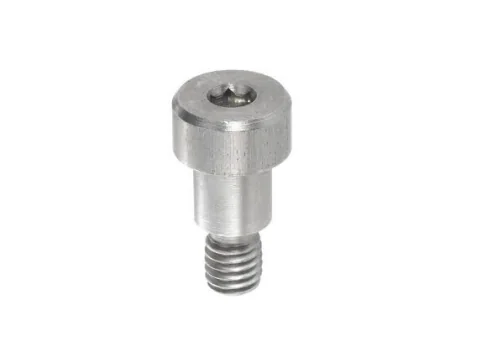
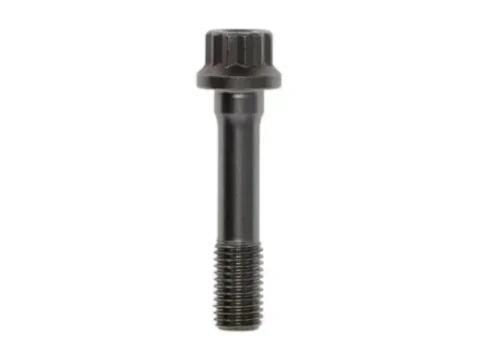
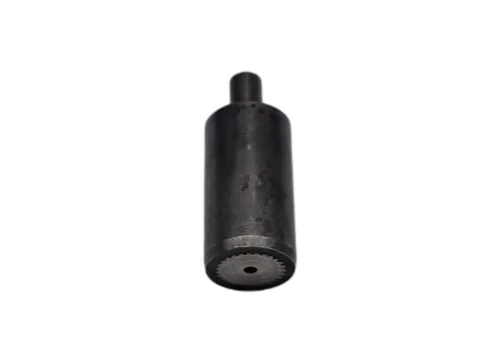
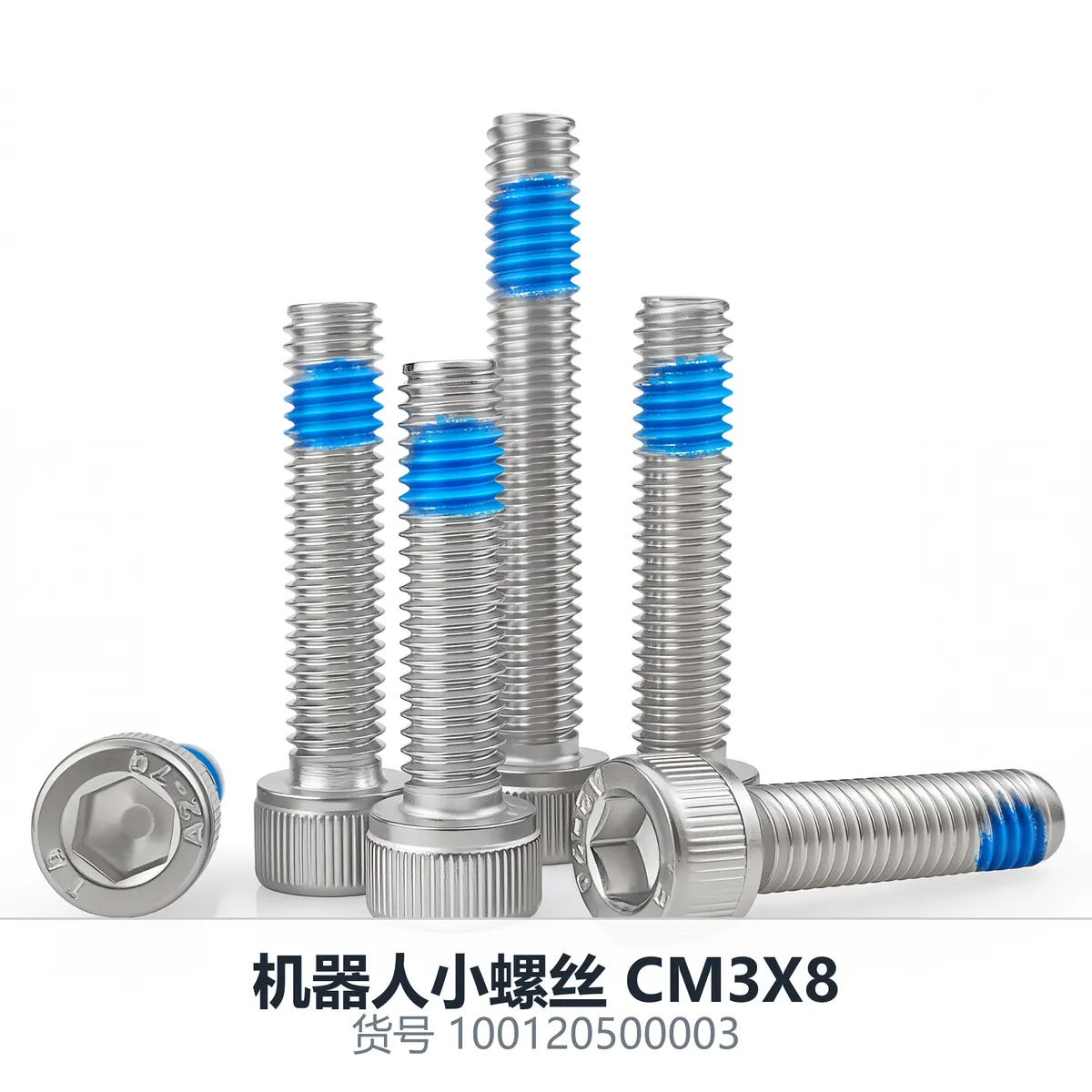
Robot Micro Screws CM2/CM2.5/CM3 | M2-M3 High-Strength Screws
- Size rangeM2-M3 (M4 on request)
- MaterialSCM435 chrome-molybdenum steel
- FinishZinc-nickel (black oxide, Geomet, DLC optional)
- Installationtorque-controlled driver at the joint rating
- StandardGB/T 3098.1, ISO 16047 (torque/clamp force)
- Typical substraterobot joints, harmonic drives, dexterous hands
Product overviewOverview
A robot joint does not see a static load; it sees a reversing load tens of times a minute. Under that regime a screw fails from a fatigue crack at the thread root long before it reaches its static strength. Robot-grade micro screws therefore differ from ordinary electronics screws: SCM435 chromium-molybdenum steel quenched and tempered to class 10.9 or 12.9, a larger root radius, and surface treatment that raises the fatigue limit.
This page covers M2-M3 (M4 on request) in SCM435 chrome-molybdenum steel, with zinc-nickel (black oxide, geomet, dlc optional) as the standard finish.property class 10.9 / 12.9; installed by torque-controlled driver at the joint rating.
Key featuresFeatures
- SCM435 quenched and tempered to class 10.9 or 12.9, verified to GB/T 3098.1.
- Enlarged thread root radius lowers stress concentration under reversing load.
- Locking patch or disc spring compensates preload loss from thermal cycling.
- 6g threads and controlled straightness hold joint concentricity.
Typical applicationsApplications
- Humanoid robot joints and harmonic drives
- Collaborative robot arm joints
- Dexterous hand fingers and linkages
Selection notesSelection
Set preload to the gearbox maker's rating; exceeding 70% of yield shortens fatigue life sharply.
Frequently asked questionsFAQ
How do I specify the Robot Micro Screws CM2/CM2.5/CM3 | M2-M3 High-Strength Screws?
What matters during installation of the Robot Micro Screws CM2/CM2.5/CM3 | M2-M3 High-Strength Screws?
| Size range | M2-M3 (M4 on request) |
|---|---|
| Material | SCM435 chrome-molybdenum steel |
| Property class | 10.9 / 12.9 |
| Finish | Zinc-nickel (black oxide, Geomet, DLC optional) |
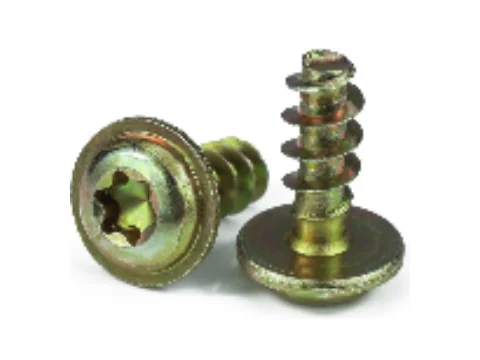
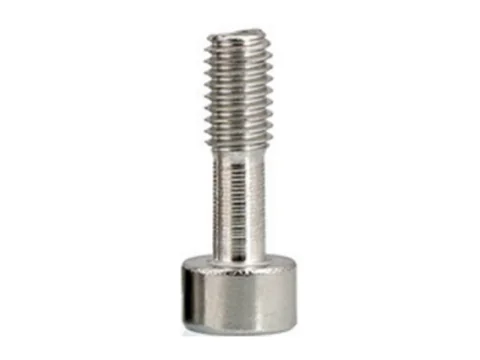
| Head styles | CM cheese head / FM flat head / countersunk |
| Drive | Phillips, hex socket, TORX |
| Standards | GB/T, ISO |
| Standard | GB/T 3098.1, ISO 16047 (torque/clamp force) |
| Installation | torque-controlled driver at the joint rating |
| Typical substrate | robot joints, harmonic drives, dexterous hands |
Tensile strength, yield strength and elongation are verified to GB/T 3098.1, with retained samples per lot.We recommend a pilot assembly at the actual torque and mating part before locking the process parameters for volume.