
 135-6073-0094
PRODUCT CENTER
Riveting Products
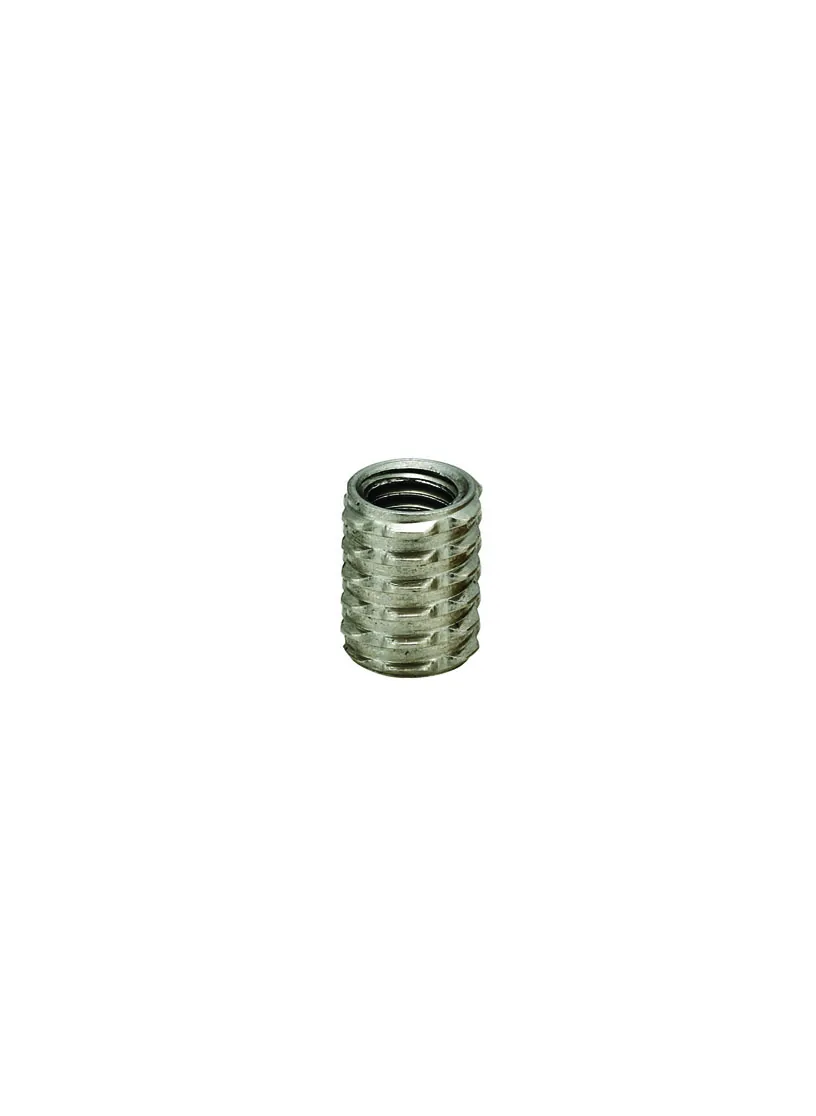
Flat head full-hex rivet nut: a hexagonal flange all round,
Flat Head Full Hex Rivet Nut
- MaterialCarbon steel / Stainless 304
- FinishZinc / Dacromet
- Installationset from one side with a rivet-nut tool
- StandardGB/T 17880.3, ISO 15978
- Typical substratesheet 0.5–3 mm, extrusions, castings
- Key inspectionsbulge formation, thread gauging, setting load
Product overviewOverview
Joint reliability depends on the contact area between bulge and hole wall, the bearing area of the flange, and the strength of the sheet itself. The full hex flange bears on more of the sheet and can be located in a matching hexagonal or double-D hole, so rotation is resisted by the hole rather than by friction alone. The larger outline spreads the clamp load, which suits thicker and stiffer sheet.
Material: Carbon steel / Stainless 304, with zinc / dacromet as the standard finish. It is set from one side with a rivet-nut tool.
Key featuresFeatures
- Full hex can be located in a shaped hole to resist rotation positively.
- Head styles: flat for a flush face, countersunk for flush mounting, hex for anti-rotation.
- Annealed tail concentrates deformation where intended for a consistent bulge.
- Zinc-plated carbon steel or 304/316 stainless, chosen to the environment.
Typical applicationsApplications
- Automotive body and chassis attachments
- Rail interior and equipment brackets
- Battery pack enclosures
Selection notesSelection
Use where the hole can be punched or formed to the hex; on plain round holes the full hex gives no more anti-rotation than a round flange.
Frequently asked questionsFAQ
Does a full-hex flange fit a round hole?
What matters during installation of the Flat Head Full Hex Rivet Nut?
| Material | Carbon steel / Stainless 304 |
|---|---|
| Finish | Zinc / Dacromet |
| Standard | GB/T 17880.3, ISO 15978 |
| Head style | hex head |
| Installation | set from one side with a rivet-nut tool |
| Typical substrate | sheet 0.5–3 mm, extrusions, castings |
| Key inspections | bulge formation, thread gauging, setting load |
Bulge diameter and clamp height are measured after setting against the process window.Alternative materials and finishes can be quoted side by side during sampling, so cost and corrosion resistance can be traded off explicitly.