
 135-6073-0094
PRODUCT CENTER
Riveting Products
Rivet nuts with an integrated seal at the flange, meeting IP
304 Stainless Steel Waterproof Rivet Nut
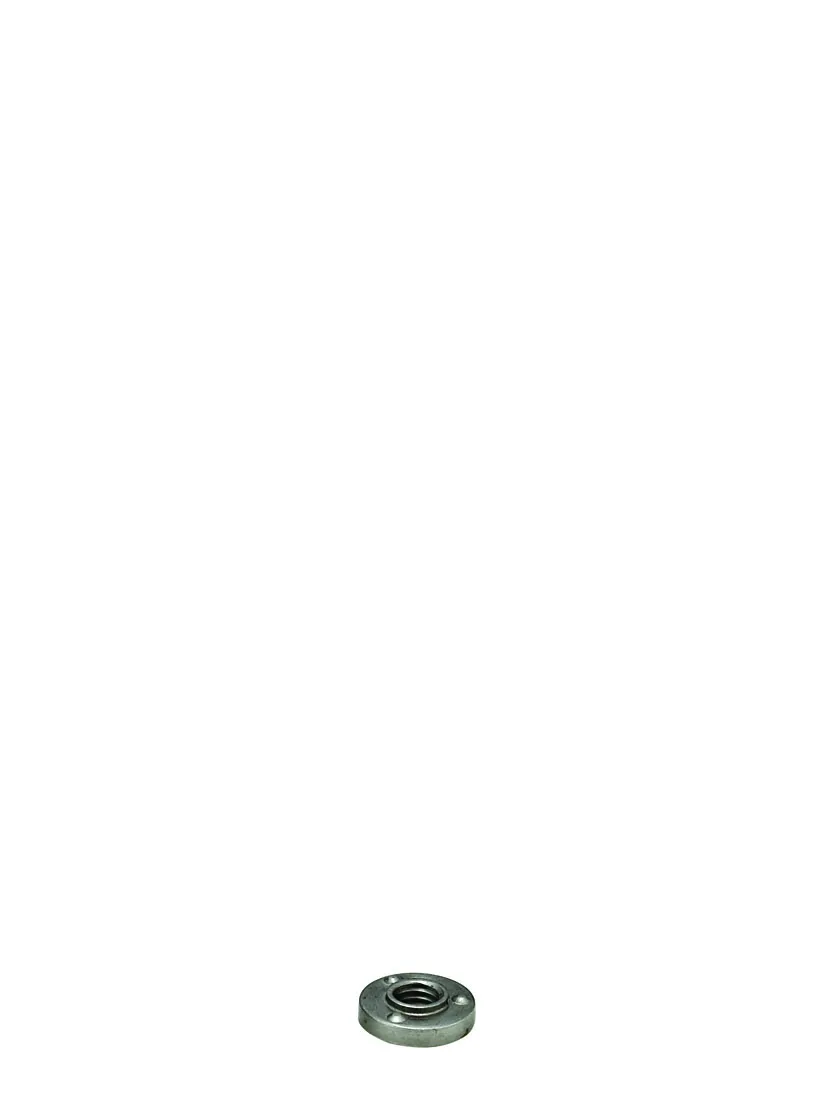
- Material304/316 Stainless
- Installationset from one side with a rivet-nut tool
- StandardGB/T 17880
- Typical substratebattery enclosures, outdoor cabinets
- Key inspectionsleak tightness, bulge, seal compression
Product overviewOverview
A standard rivet nut leaks along two paths: between flange and sheet, and between bulge and hole wall. The sealed version places an O-ring or sealant layer under the flange and lets the bulge compress the sealant as it forms, closing both paths at once. Whether IP68 is actually reached depends on seal compression, hole-face flatness and consistency of the setting stroke.
Material: 304/316 Stainless. It is set from one side with a rivet-nut tool.
Key featuresFeatures
- Sealing starts at the flange face, where an O-ring or a sealant layer cuts the path between nut and sheet.
- Bulge compresses the sealant, sealing the hole-wall interface at the same time.
- Two sealing levels are offered to IEC 60529: IP67 for 1 m immersion over 30 minutes, IP68 where the customer's test conditions demand more.
- The 304 body is chosen for outdoor and battery-pack joints where the sheet is also stainless.
Typical applicationsApplications
- EV battery pack enclosures
- Outdoor telecom cabinets
- Chargers and energy storage cabinets
Selection notesSelection
Deburr and flatten the hole face; burrs piercing the seal are the leading cause of leaks.
Frequently asked questionsFAQ
How do I specify the 304 Stainless Steel Waterproof Rivet Nut?
What matters during installation of the 304 Stainless Steel Waterproof Rivet Nut?
| Material | 304/316 Stainless |
|---|---|
| Rating | IP68 |
| Standard | GB/T 17880 |
| Installation | set from one side with a rivet-nut tool |
| Typical substrate | battery enclosures, outdoor cabinets |
| Key inspections | leak tightness, bulge, seal compression |
Helium or pressure-decay leak testing at the pressure and hold time defined for the IP grade.We recommend a pilot assembly at the actual torque and mating part before locking the process parameters for volume.