
 135-6073-0094
PRODUCT CENTER
Riveting Products
Open end rivet nut: the barrel is open through, so a bolt ca
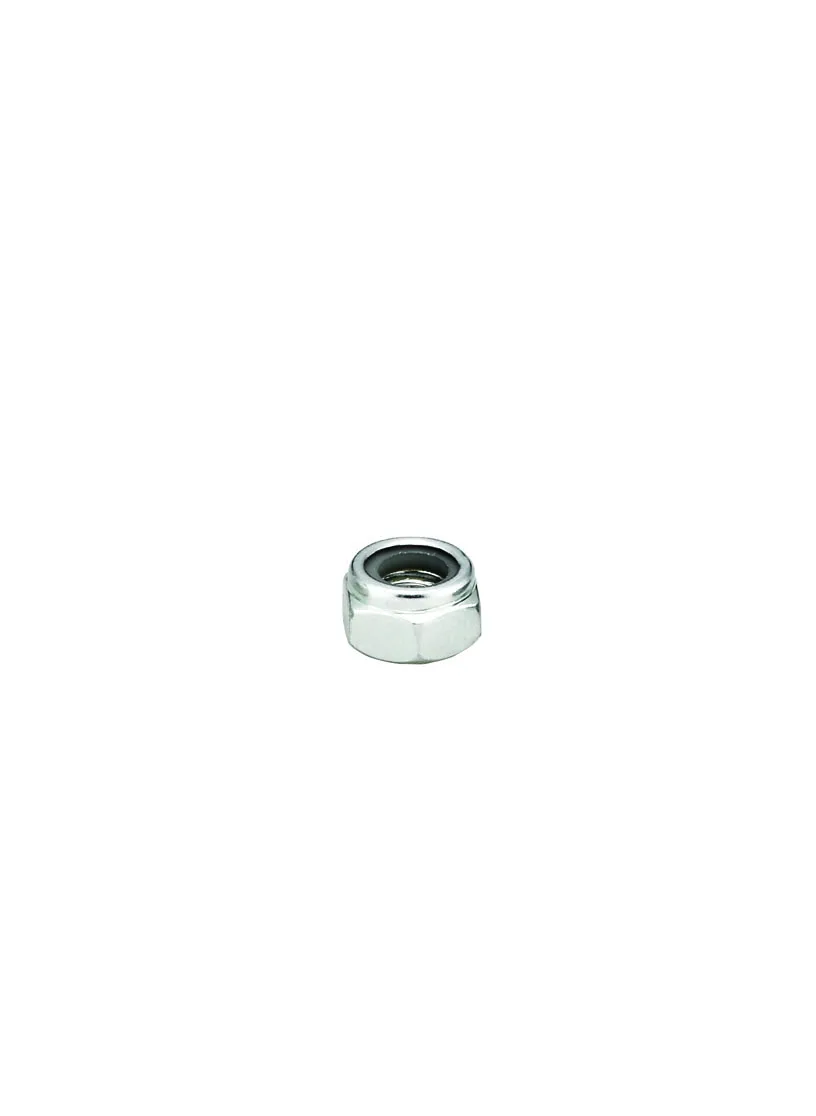
Open End Rivet Nut
- MaterialCarbon steel / Stainless
- FinishZinc plated
- Installationset from one side with a rivet-nut tool
- StandardGB/T 17880.4
- Typical substratesheet 0.5–3 mm, extrusions, castings
- Key inspectionsbulge formation, thread gauging, setting load
Product overviewOverview
Joint reliability depends on the contact area between bulge and hole wall, the bearing area of the flange, and the strength of the sheet itself. With an open end the bolt can extend beyond the nut, which is what allows a long thread to be used in a thick stack. The trade-off is that the open bore gives water and swarf a path through the joint unless the bolt fills it, so open-end nuts are usually specified with a sealing bolt or in dry interior locations.
Material: Carbon steel / Stainless, with zinc plated as the standard finish. It is set from one side with a rivet-nut tool.
Key featuresFeatures
- Long bolts can pass through; the open bore is not sealed by the nut itself.
- One-sided setting forms the bulge inside the closed profile, where a wrench could never reach.
- Bolt after bolt can be run into the 6H thread, and the absence of welding keeps the surrounding sheet undistorted.
- Choose flat for a raised bearing face, countersunk to sit level with the sheet, or hex to resist spin during tightening.
Typical applicationsApplications
- Battery pack enclosures
- Appliances and elevator panels
- Enclosures and sheet-metal cabinets
Selection notesSelection
Use closed-end nuts where the joint has to keep water out; choose open end where bolt protrusion or thick stacks make a closed tail impossible.
Frequently asked questionsFAQ
Is an open-end rivet nut waterproof?
What matters during installation of the Open End Rivet Nut?
| Material | Carbon steel / Stainless |
|---|---|
| Finish | Zinc plated |
| Standard | GB/T 17880.4 |
| Installation | set from one side with a rivet-nut tool |
| Typical substrate | sheet 0.5–3 mm, extrusions, castings |
| Key inspections | bulge formation, thread gauging, setting load |
Internal threads are gauged 6H on every part, with destructive bulge tests sampled.We recommend a pilot assembly at the actual torque and mating part before locking the process parameters for volume.