
 135-6073-0094
PRODUCT CENTER
Riveting Products
Flush pull-through rivet: the head is pulled through the out
Type FT-9 Flush Pull-through Rivet
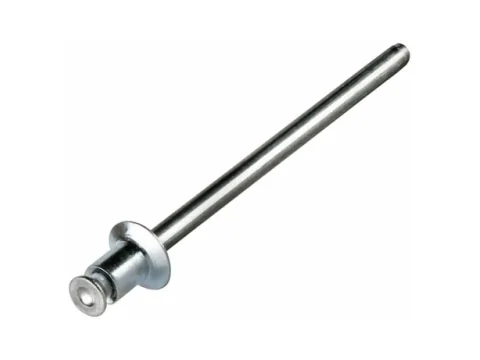
- MaterialCarbon Steel / Stainless Steel
- Installationset from one side with a rivet tool
- StandardGB/T 12615–12618 (blind rivets)
- Typical substratethin sheet, extrusions, composites
- Key inspectionsmandrel break load, shear strength, head contact
Product overviewOverview
A blind rivet consists of a body and a mandrel. A pull-through rivet deforms the outer sheet into a countersink as it is set, so the flush finish depends on sheet ductility and on the support around the hole. In brittle or very thin sheet the sheet cracks instead of flowing, and the flush result cannot be achieved.
Material: Carbon Steel / Stainless Steel. It is set from one side with a rivet tool.
Key featuresFeatures
- Flush finish comes from forming the sheet, so ductility is a requirement.
- One-side installation with a snapped mandrel leaving a back-side anchor.
- Fast cycle times suit high-volume lines; no tapping or welding.
- Dome, countersunk and large-flange heads for different faces and loads.
Typical applicationsApplications
- Sheet-metal enclosures
- Automotive interior and body trim
- Appliances and ducting
Selection notesSelection
Confirm the outer sheet can be formed without cracking; where it cannot, use a countersunk-head rivet in a machined or punched countersink instead.
Frequently asked questionsFAQ
What sheet can take a pull-through rivet?
What matters during installation of the Type FT-9 Flush Pull-through Rivet?
| Material | Carbon Steel / Stainless Steel |
|---|---|
| Type | Rivet nut |
| Standard | GB/T 12615–12618 (blind rivets) |
| Installation | set from one side with a rivet tool |
| Typical substrate | thin sheet, extrusions, composites |
| Key inspections | mandrel break load, shear strength, head contact |
Body diameter, length and mandrel break load are sampled per lot.We recommend a pilot assembly at the actual torque and mating part before locking the process parameters for volume.