
 135-6073-0094
PRODUCT CENTER
Lightweight Fasteners
Galvanic corrosion control for magnesium joints, combining b

Specialized Anti-Corrosion Bolts for Magnesium Alloys
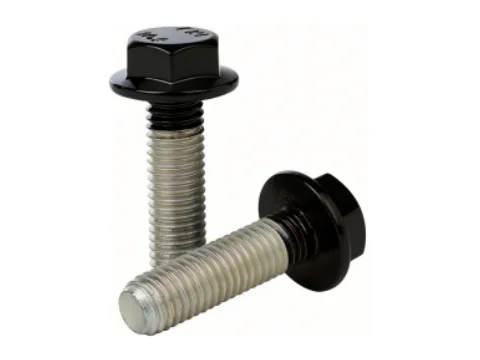
- MaterialMagnesium Alloy (AZ series) + anti-corrosion coating
- Installationcoated and insulated assembly
- StandardGB/T 10125 (salt spray), GB/T 18684 (micro-arc oxidation)
- Typical substratemagnesium-to-steel joints
- Key inspectionsfilm thickness, salt spray, insulation resistance
Product overviewOverview
Magnesium has one of the most negative standard potentials in engineering metals, around −2.37 V. In contact with steel or aluminium and with any electrolyte present — even condensation — the two form a galvanic cell in which magnesium is the anode and dissolves far faster than it would alone. That is why every magnesium joint needs galvanic isolation, not just paint.
Material: Magnesium Alloy (AZ series) + anti-corrosion coating. It is coated and the joint insulated against galvanic contact.
Key featuresFeatures
- Micro-arc oxidation forms a ceramic oxide chemically bonded to the substrate.
- Sealing closes film porosity and reduces electrolyte ingress.
- Insulating washers and sleeves break the electron path to steel fasteners.
- Drainage details stop electrolyte pooling at the joint.
Typical applicationsApplications
- Magnesium instrument panel and seat frames
- Notebook and tablet chassis
- Drone frames
Selection notesSelection
Match the coating system to the humidity and salt exposure of the application; indoor and outdoor parts need different stacks.
Frequently asked questionsFAQ
How do I specify the Specialized Anti-Corrosion Bolts for Magnesium Alloys?
What matters during installation of the Specialized Anti-Corrosion Bolts for Magnesium Alloys?
| Material | Magnesium Alloy (AZ series) + anti-corrosion coating |
|---|---|
| Standard | GB/T 10125 (salt spray), GB/T 18684 (micro-arc oxidation) |
| Installation | coated and insulated assembly |
| Typical substrate | magnesium-to-steel joints |
| Key inspections | film thickness, salt spray, insulation resistance |
Film thickness and porosity sampled; neutral salt spray to GB/T 10125.We recommend a pilot assembly at the actual torque and mating part before locking the process parameters for volume.