
 135-6073-0094
PRODUCT CENTER
Sealing Products
IP68 sealing rivet stud shown in the sealing range, where se
IP68 Pre-Applied Adhesive Sealing Standoff with Compression-Rate Inspection
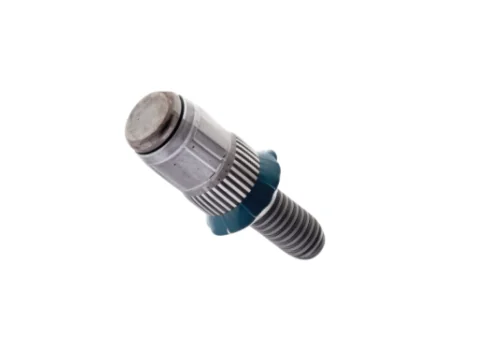
- Installationset from one side with a rivet-stud tool
- StandardGB/T 17880 series (setting), GB/T 197
- Typical substratesheet metal and extrusions
- Key inspectionsthread gauging, perpendicularity, push-out
- Drive TypeTorx Plus
Product overviewOverview
Perpendicularity is what makes or breaks the joint: a tilted stud misaligns the part bolted to it and introduces a bending moment during tightening. Sealing depends on compression ratio rather than on how much sealant is present: too little leaves a gap, too much takes a permanent set and stops recovering. The installed thickness therefore has to fall inside the range for the sealant, and immersion or pressure testing is how that is verified.
installed by set from one side with a rivet-stud tool.
Key featuresFeatures
- Sealing follows compression ratio, not sealant quantity.
- Thread and bulge formed together; perpendicularity set by the tool nose.
- Thread size and standoff height are set together, because the height fixes how far the mating part stands off the panel.
- Zinc-plated steel covers indoor assemblies; stainless is specified where the joint sees condensation or washdown.
Typical applicationsApplications
- Elevator and access-control hardware
- Battery pack structures
- Sheet-metal enclosures and cabinets
Selection notesSelection
Where torque resistance matters, specify a hex or knurled anti-rotation body.
Frequently asked questionsFAQ
Is a thicker sealant layer more reliable?
What matters during installation of the IP68 Pre-applied Adhesive Sealing Self-Clinching Standoff?
| Drive Type | Torx Plus |
|---|---|
| Standard | GB/T 17880 series (setting), GB/T 197 |
| Installation | set from one side with a rivet-stud tool |
| Typical substrate | sheet metal and extrusions |
| Key inspections | thread gauging, perpendicularity, push-out |
External threads are gauged 6g on every part; perpendicularity is sampled with a square or CMM.We recommend a pilot assembly at the actual torque and mating part before locking the process parameters for volume.