
 135-6073-0094
PRODUCT CENTER
SMT Fasteners
High-current PCB power terminal: a surface mount element siz
High-Current PCB Terminals (Power Elements)
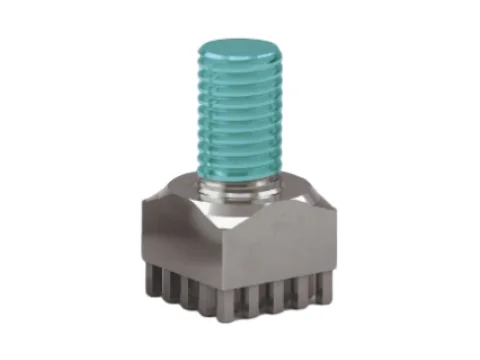
- MaterialSUS304 Stainless Steel
- Installationreflow or wave soldering
- StandardEIA-481, IPC J-STD-002
- Typical substratehigh-current power and ground circuits
- Key inspectionscontact resistance, temperature rise, solderability
Product overviewOverview
Failures at high current usually start with heat. At high current the limiting factor is temperature rise at the joint, not the cross-section of the terminal. Solder voids and thin joints raise local resistance, so the pad area and paste volume are chosen to keep the joint temperature within the board rating.
Material: SUS304 Stainless Steel. It is attached by reflow or by wave soldering.
Key featuresFeatures
- Joint temperature rise limits the design, not terminal section alone.
- Tin or nickel plating suppresses oxidation and stabilises contact.
- Cross-section sized from rated current and permitted temperature rise.
- Reflow or wave-solder compatible, supplied on tape.
Typical applicationsApplications
- Battery management board connections
- Charger high-current circuits
- Industrial power supplies and inverters
Selection notesSelection
Size the pad for current, not for the footprint of the part, and verify temperature rise on the assembled board at rated current.
Frequently asked questionsFAQ
What limits current in a PCB terminal?
What matters during installation of the High-Current PCB Terminals (Power Elements)?
| Material | SUS304 Stainless Steel |
|---|---|
| Packaging | Tape & Reel packaging |
| Standard | EIA-481, IPC J-STD-002 |
| Installation | reflow or wave soldering |
| Typical substrate | high-current power and ground circuits |
| Key inspections | contact resistance, temperature rise, solderability |
Temperature-rise testing runs rated current to thermal equilibrium, recording terminal and joint temperatures.Alternative materials and finishes can be quoted side by side during sampling, so cost and corrosion resistance can be traded off explicitly.