
 135-6073-0094
PRODUCT CENTER
Bonding Products
Bonding stud with a plain shank: the shank locates and the b

Bonding Stud
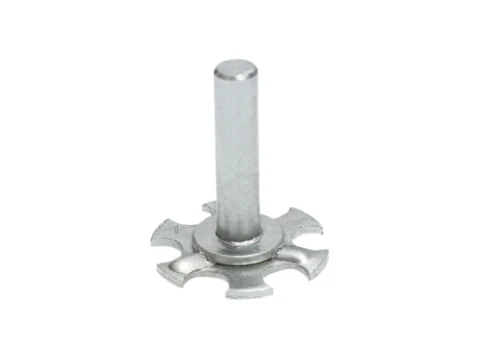
- MaterialCarbon Steel / Stainless Steel
- Installationstructural adhesive after surface preparation
- StandardGB/T 7124 (lap shear), customer drawing
- Typical substratecomposites, thin housings, decorative panels
- Key inspectionspull-off/shear strength, bond-line thickness, ageing
Product overviewOverview
Load passes through the adhesive layer: it spreads tensile and shear forces from the fastener base into the substrate, avoiding the stress concentration a drilled hole creates. A bonded joint carries load in shear across the adhesive layer, so the base area and the bond-line thickness matter more than the stud diameter. The surface preparation decides the result: an unprepared or oily surface gives a bond that looks sound and fails at a fraction of the design load.
Material: Carbon Steel / Stainless Steel. It is bonded with structural adhesive after the surfaces are prepared.
Key featuresFeatures
- Bond strength is set by surface preparation, not by stud size.
- No hole and no weld, so coatings and sealing remain intact.
- Load transfers through the adhesive in shear, avoiding hole stress concentration.
- Suits thin sheet, composites and non-weldable substrates.
Typical applicationsApplications
- Composite panel attachments
- Thin-wall housing hardware
- Rail interior panels
Selection notesSelection
Specify the surface preparation and the bond-line thickness together with the stud; testing a bonded stud without controlling either gives scatter that cannot be interpreted.
Frequently asked questionsFAQ
Why do bonded studs fail at low load?
What matters during installation of the Bonding Stud?
| Material | Carbon Steel / Stainless Steel |
|---|---|
| Adhesive | Epoxy / Cyanoacrylate |
| Standard | GB/T 7124 (lap shear), customer drawing |
| Installation | structural adhesive after surface preparation |
| Typical substrate | composites, thin housings, decorative panels |
| Key inspections | pull-off/shear strength, bond-line thickness, ageing |
Pull-off and shear tests are sampled per lot, recording whether failure is interfacial or cohesive.We recommend a pilot assembly at the actual torque and mating part before locking the process parameters for volume.